My DPM Experience: How the qualification supported my career
Posted on: Thursday 6 August 2026
Achieving the Diploma in Pharmaceutical Medicine (DPM) is considered a landmark achievement for any physician undertaking a career in pharmaceutical medicine. It affirms their knowledge and expertise in our specialty, and their commitment to enhancing the health of society.
In this blog, find out what motivated Lydia to take the DPM, how our dedicated training programme helped with her preparation, and the advice she would give to those considering pursuing the qualification.
Congratulations on passing the DPM! To start off, could you tell us a bit about your background and current role?
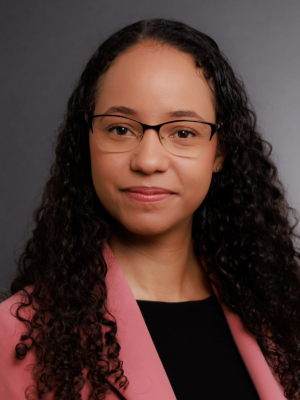
For the last few years I’ve been an Internal Clinician and Clinical Reviewer at TÜV SÜD, providing clinical input into the processes that medical devices go through to get and maintain a UKCA or CE mark. Before this I was a respiratory trainee in London. I felt I’d got what I wanted from clinical training, and after completing my doctoral research wanted to explore a different path. I feel really fortunate to have found a role which enables me to use my clinical and academic experience in a different way that still contributes to patient care and public health.
What motivated you to pursue the DPM?
Medical device regulation is quite a niche field. I’ve been well supported by my company to develop my knowledge and competence in this area, but realised my growth and progression as a pharmaceutical physician required a broader understanding of the wider medicines and life sciences landscape. I’m also keen to support broader representation within the FPM of clinicians whose career paths lie outside of traditional pharma. Becoming a member through completing the DPM felt like a tangible and formalised way of contributing to that. Plus, I love a challenge (and if I’m really honest, an exam).
Why did you decide to enrol onto the DPM Training Programme?
Encouragement from my FPM mentor, along with hearing positive feedback from previous DPM candidates, prompted me to consider enrolling. After a bit more investigation, I felt that having the structure and framework that the Programme offered would give me the best chance of developing the knowledge and skills needed to pass the exams. The experienced faculty and the opportunity to connect with others working in pharmaceutical medicine were also important factors. Finally, having the the support of my employer, both in terms of time and financial investment, was key to making participation feasible.
Looking back, what difference did the DPM Training Programme make to your chances of success?
It made a huge difference to my confidence and exam prep. There were areas of the syllabus that I had no previous experience of, so having a clear structure and support throughout the programme really helped me understand where to focus my time and make sure I was covering the right topics.
Balancing studying with a full-time job and a young family was challenging, but the regular teaching sessions, clear learning objectives and faculty support helped me stay on track. More than anything, the programme gave me the reassurance that I’d developed the right level of knowledge and understanding to go into the exams feeling prepared.
Did the ability to watch live session recordings and work through material on demand via the FPM Learning Hub help you fit preparation around work and personal commitments, and take greater control of your revision?
Fortunately, my employer recognised the value of the DPM Training Programme and gave me the flexibility to attend almost all of the live sessions. Engaging with the teaching and taking part in the discussions and activities in real time was invaluable. But having access to the recordings and on-demand resources through the FPM Learning Hub was equally important. Being able to revisit sessions, work through the practice questions and complete the mock exams around my other commitments gave me much more control over my revision. It also meant I could spend more time on the topics I found most challenging.
Has the knowledge or confidence you gained influenced your day-to-day work?
Absolutely. I’ve been able to apply knowledge and principles from the course e.g., statistics and data management, directly to my role evaluating clinical evidence and data. I also feel much more comfortable contributing to discussions around pharmaceuticals and the wider life sciences sector – in particular this has supported more informed and meaningful engagement with external organisations, such as the MHRA and the National Commission for AI in Healthcare. I also volunteer on an HRA Research Ethics Committee, and the deeper understanding I gained of research ethics and governance has been extremely helpful in informing discussions and decisions.
What advice would you give someone considering the DPM?
It’s an investment, but if you’re developing a career in pharmaceutical medicine, or simply want to develop a comprehensive understanding of the field, I think it’s really worthwhile. The syllabus is broad, but the training programme provides a really helpful platform that makes the content manageable and accessible.
Don’t be put off if your background is outside of traditional pharmaceutical roles. Few people have in depth experience across all areas of the syllabus. Provided you can dedicate time and brain power to it, it’s a really valuable way to build your knowledge, gain confidence and develop a deeper understanding of pharmaceutical medicine. It’s a great way to demonstrate your commitment to the field and become part of a wider community of pharmaceutical physicians.
Why take the DPM?
- The only GMC-recognised qualification, aligned with international PharmaTrain standards: The GMC has approved the DPM as an acceptable postgraduate qualification for overseas doctors. It can be accepted as evidence that the holder has the necessary knowledge, skills and experience to apply for full registration with a licence to practise in the UK.
- Pathway to Membership: Successful candidates may be eligible to apply for Membership of FPM (MFPM). Becoming an FPM Member is a significant professional achievement and entitles individuals to use the prestigious post-nominals MFPM.
- Increases your employability: The DPM demonstrates that you have the depth of knowledge, skills, and professional competence required to excel in pharmaceutical medicine. It signals to employers, peers, and regulators that you meet a recognised standard of expertise.
- Developed and overseen by FPM: Ensures the highest medical, ethical, and scientific standards
- Demonstrates that you are an expert: on the theory and practical applications of pharmaceutical medicine