
Understanding Real-World Studies and Evidence
Start date: Wednesday 7 October 2026
End date: Wednesday 14 October 2026
Evidence generated from observational studies using real-world data (RWD), outside of clinical trials, known as real-world evidence (RWE), is increasingly being used to inform decision-making regarding the use of medicines. The use of RWE has gone beyond its usual domains of pharmacovigilance, pharmacoeconomic and outcomes research.
Real-world (RW) studies are now conducted during the whole lifecycle of medicines, to enhance drug discovery and development, as well as their contribution to studying post-authorisation safety and effectiveness.
The potential for the use of RWE throughout the entire lifecycle of medicines will continue to grow. All pharmaceutical physicians need to understand the principles, methods and applications of observational RW studies.
This virtual course will be running across two half days and will be delivered online.
What will we cover?
This two-part introductory course provides pharmaceutical physicians with a practical understanding of RWD and RWE, from the principles of observational research through to study design, interpretation and application in regulatory and healthcare decision-making.
Delegates will gain confidence in understanding how observational studies are designed, interpreting their findings, and recognising best practices that support the generation of robust real-world evidence throughout the medicines lifecycle.
Who should attend?
This course is introductory. No prior knowledge of epidemiology or statistics is required, although a general understanding of the principles of clinical research and pharmaceutical medicine would be beneficial.
These half day sessions are for pharmaceutical physicians and others working in the field of pharmaceutical sciences who wish to develop a practical understanding of observational real-world studies and their application across medicines development, regulation and healthcare decision-making.
Speakers
Professor Saad Shakir MB ChB LRCP&S FRCP FFPM FISPE FISoP MRCGP Independent Consultant – Pharmacovigilance and Pharmacoepidemiology, ADROITVIGILANCE
Professor Deborah Layton FRPharmS FISPE, Chief Scientific Officer – PHARMO, part of Lumanity; Visiting Professor, University of Hertfordshire
Where are the sessions taking place?
This course will be delivered across two half days and will be delivered on Zoom.
The sessions will be recorded and made available to those that have purchased the course afterwards, along with session materials.
You will be provided with joining information once your booking is complete, along with a full course outline.
Queries: If you are unable to complete your booking online, wish to book on behalf of someone else, or have any questions, please email training@fpm.org.uk.
Please see our Terms and Conditions and Privacy Policy.
Details
This course will take place online on the following dates:
Wednesday 7 October (10:00-14:00)
Wednesday 14 October (10:00-14:00)
Price Options
FPM member fee: £100
Non-member fee: £180
Bookings are now closed.
Price includes access to both sessions as well as access to session recordings and materials.
Reduced rates are available for FPM members who fulfil one of the following criteria: People from low and lower-middle income countries, Unemployed, part-time employed (earning less than £24,000 per year), People on Parental Leave, Resident Doctors, People on Parental Leave. Contact training@fpm.org.uk to find out more.
Bookings close at 12:00 (UK time) on Tuesday 6 October.
Please see our booking terms and conditions and our privacy policy.
CPD Credits
You can find instructions and guidance regarding CPD eligibility here.
Agenda
Day 1 – Understanding Real-World Data (RWD) and Real-World Evidence (RWE)
| Time | Session Title |
|---|---|
| 10:00-10:15 | Welcome & Introduction (Saad Shakir) |
| 10:15-11:45 inc. 5 minute comfort break at ~11am |
Foundations of RWD and RWE (Saad Shakir)
|
| 11:45-12:00 | Refreshment break |
| 12:00-13:45 inc. 5 minute comfort break at ~1pm |
Designing and Interpreting Observational Studies (Deborah Layton)
|
| 13:45-14:00 | Discussion and Questions (All) |
| 14:00 | Day 1 Close |
Day 2 – Designing, Appraising and Applying Real-World Evidence
| Time | Session Title |
|---|---|
| 10:00-10:15 | Welcome & Recap (Saad Shakir) |
| 10:15-11:15 | Best practice in designing RW studies (Deborah Layton)
|
| 11:30-11:45 | Refreshment break |
| 11:45-12:30 | Applying Real-World Evidence to Healthcare decision making (Saad Shakir)
|
| 12:30-13:15 | The future of RWE (Deborah Layton)
|
| 13:15-13:45 | Interactive Discussion (emerging opportunities and challenges for pharmaceutical medicine (All)) |
| 13:45-14:00 | Wrap Up (Saad Shakir) |
| 14:00 | Day 2 Close |
Meet the Speakers
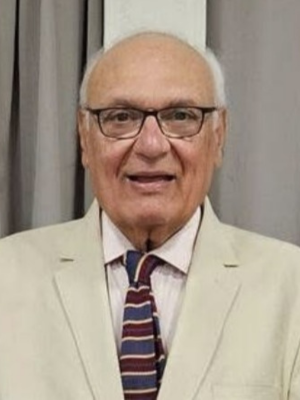 Professor Saad Shakir is a leading pharmacovigilance expert. He has worked on major drug safety issues and advised pharmaceutical companies and regulatory authorities worldwide. He consults and advises on pharmacovigilance issues, risk-benefit evaluation and real-world evidence. Saad provides training and teaches pharmacovigilance. He leads international projects to advance pharmacovigilance and participates in Data safety management Boards (DSMBs) and Safety Advisory Committees. Saad supports the FPM and pharmaceutical physicians whenever possible.
 Professor Deborah Layton has over 25 years of expertise in pharmacoepidemiology, pharmacovigilance, and real-world evidence. She specialises in designing and delivering post-authorisation safety studies (PASS) and guiding regulatory strategies for pharmaceutical organisations worldwide. Deborah is also a Visiting Honorary Professor at the University of Hertfordshire, where she teaches and mentors students, and has authored over 60 peer-reviewed publications.

A really enjoyable day, time flew. A really interesting and informative day, giving a great overview of RWD and its application and potential in the future, from genuine, authentic experts. One of the best educational days I've been on for a while!

They covered a lot of practical detail as well as the statistics behind it. Grateful that we could attend online from outside the UK.

This was one of the best courses I have been on for a long time. Small numbers meant dialogue was possible, it was very interactive. I particularly enjoyed the contemporary views.

Very detailed content, speakers were truly experts in their field. High quality speakers who were very engaging and welcoming. This is a complex topic and their expertise was very much appreciated.
The views, information, or opinions expressed during FPM events and training are those of the individuals involved and do not necessarily represent those of the Faculty of Pharmaceutical Medicine. We value inclusivity, equality and diversity, and work hard to promote these whenever possible in all of our activities. We welcome your comments and feedback: events@fpm.org.uk